How much does custom framing cost in Jerusalem?
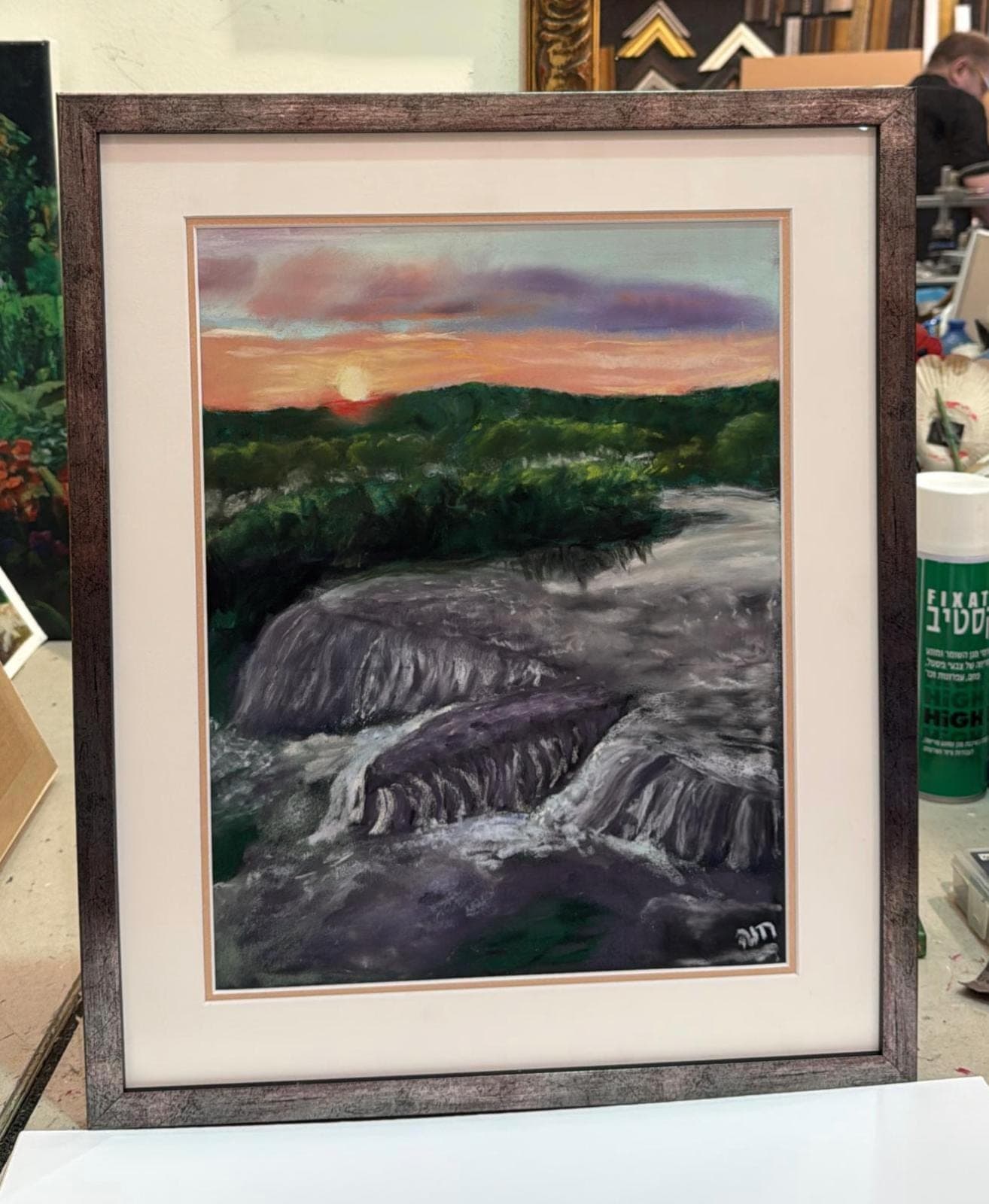
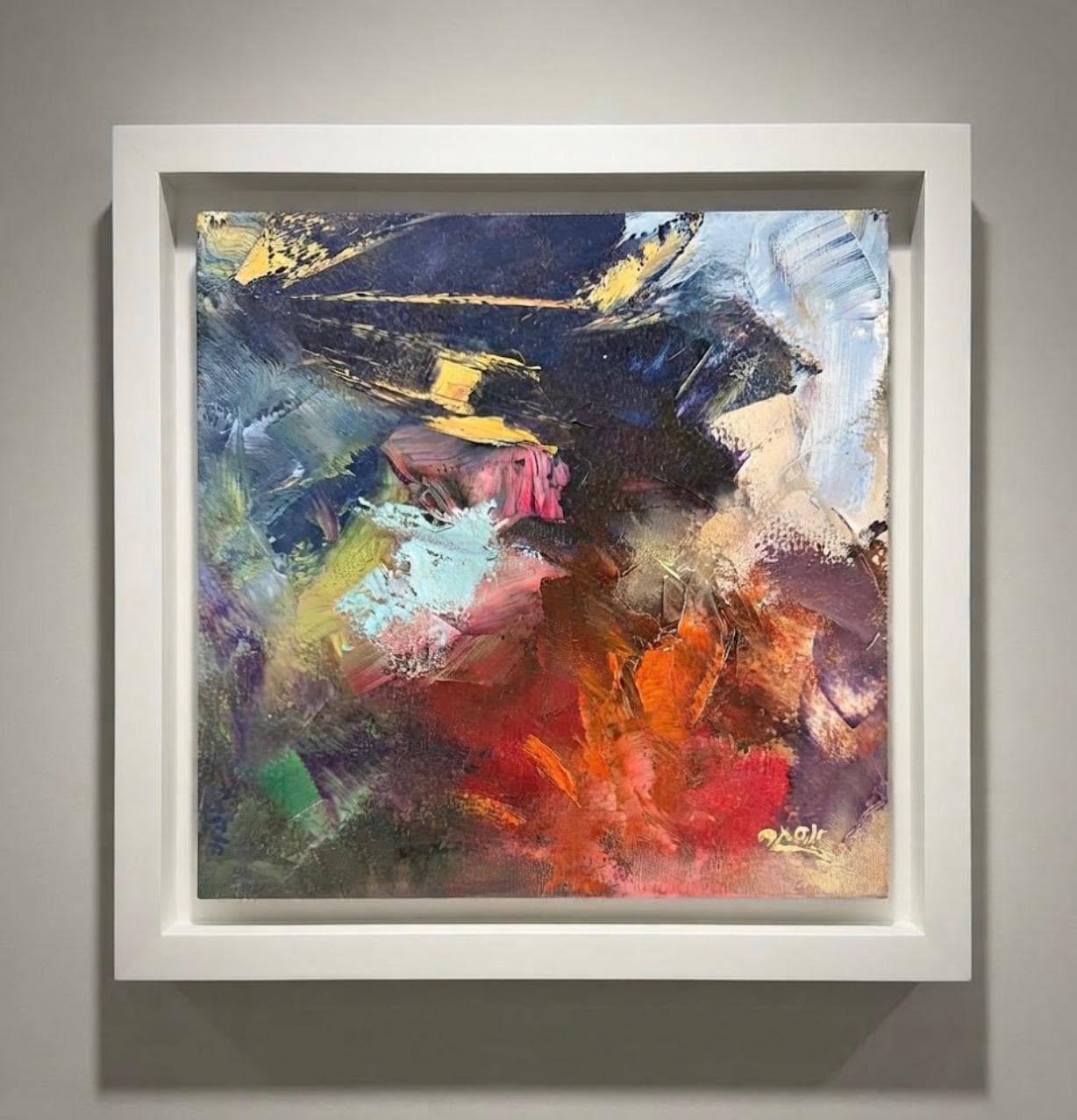
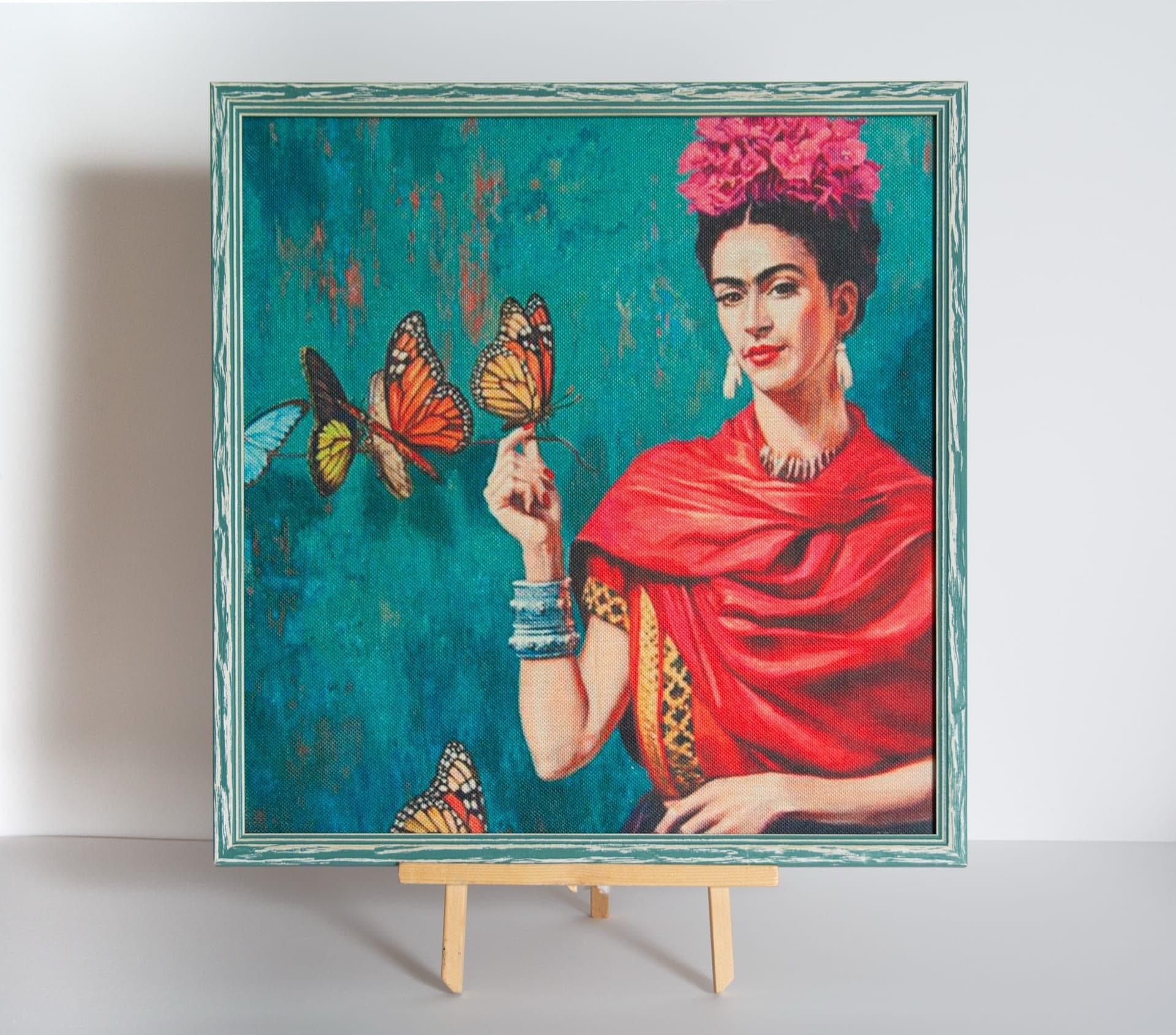
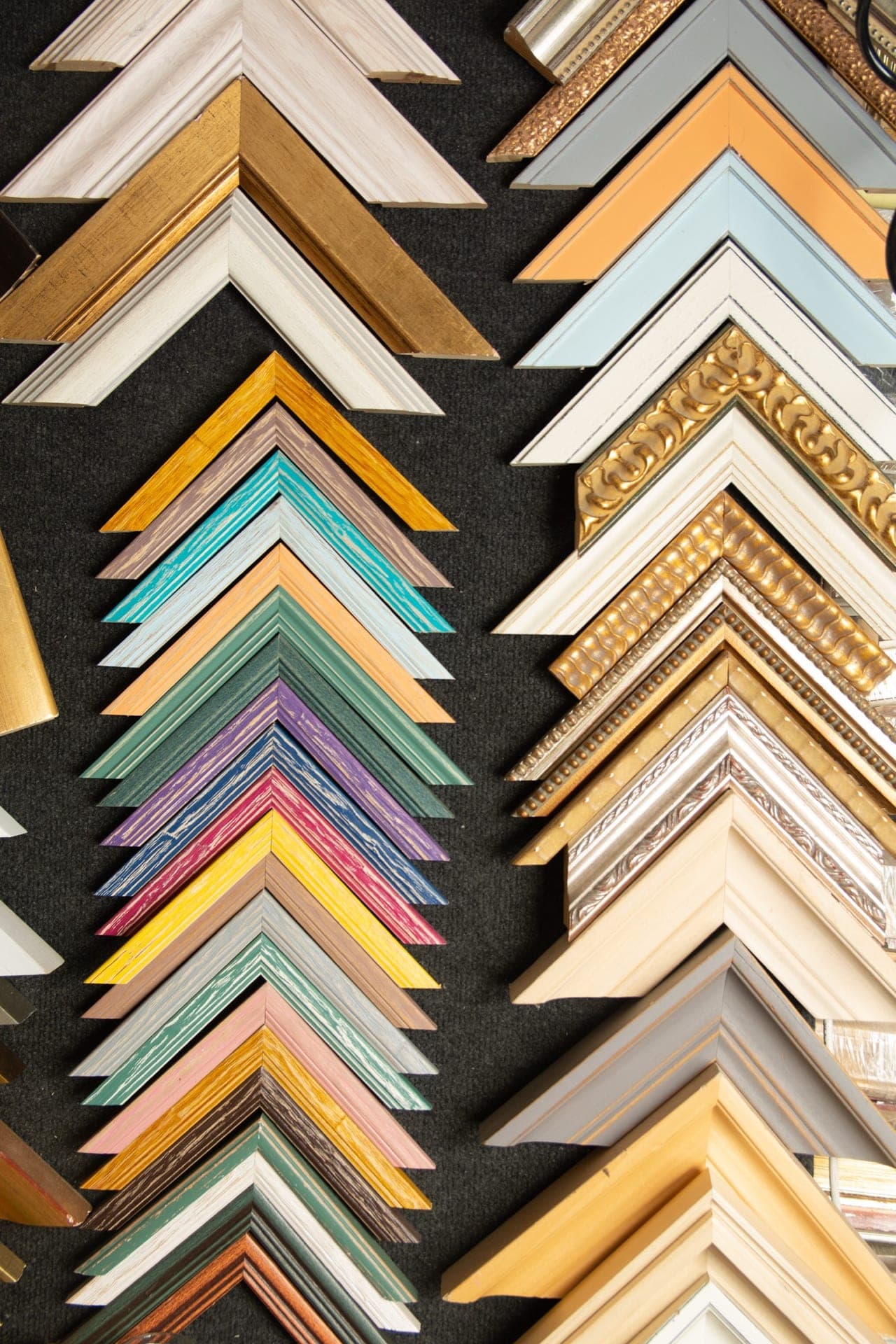
The price of framing a picture or painting depends on the size of the piece, the frame profile, the type of glazing and the mat, so there's no single price. Bemisgeret's price range is wide, from simple smooth wood frames to decorative frames with gold, silver or painted finishes. You can get a quote at the studio at 29 Derech Beit Lehem in Jerusalem, by phone at 02-6714005 or on WhatsApp. It helps to send a photo of the piece and its measurements.
How long does it take to frame a picture?
It depends on the job and on the materials you choose. A ready-made frame in a standard size doesn't need to be ordered ahead, and you can take it home on the spot. Custom framing needs a check first: if all the materials for the frame are in stock, it takes 2 to 5 working days, and if materials have to be ordered it can take longer. We give you an estimated completion date when you order, once we've seen the piece, know what you've chosen for it and whether anything has to be ordered. For exhibitions, we work to the exhibition's schedule and meet it. If you have a date coming up, tell us at the start.
What's the difference between regular glass, non-glare glass, museum glass and acrylic?
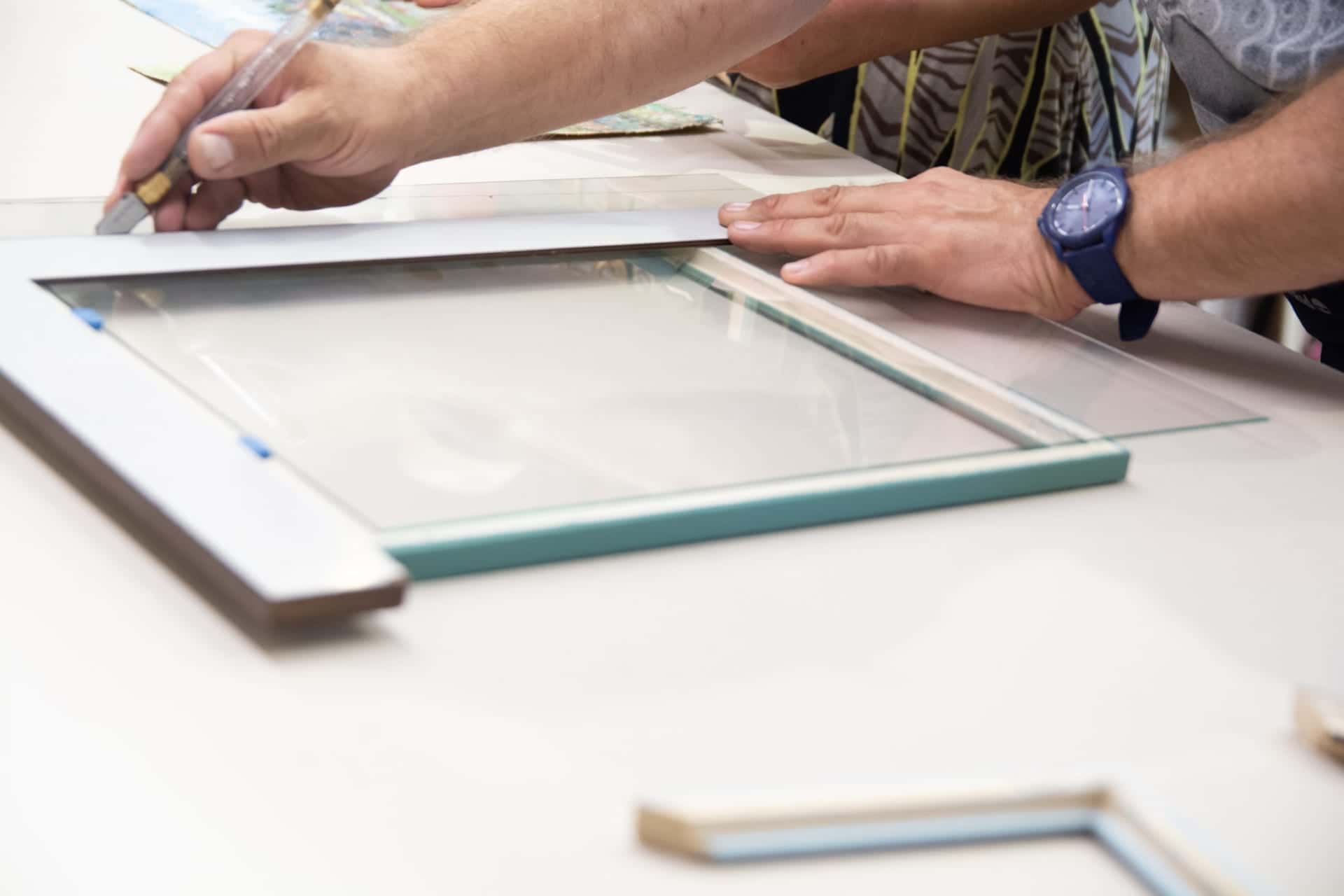
Regular glass is clear but reflects light, and non-glare glass diffuses reflections but slightly softens detail. Museum glass filters UV light, keeps art from fading and shows almost no reflection, which is why it's used for original work. Acrylic (Plexiglas) is light and shatterproof, so it's a good fit for large pieces and for shipping abroad. At the studio we'll help you choose based on the piece and the wall it's going on.
What is an acid-free mat, and why is it important?
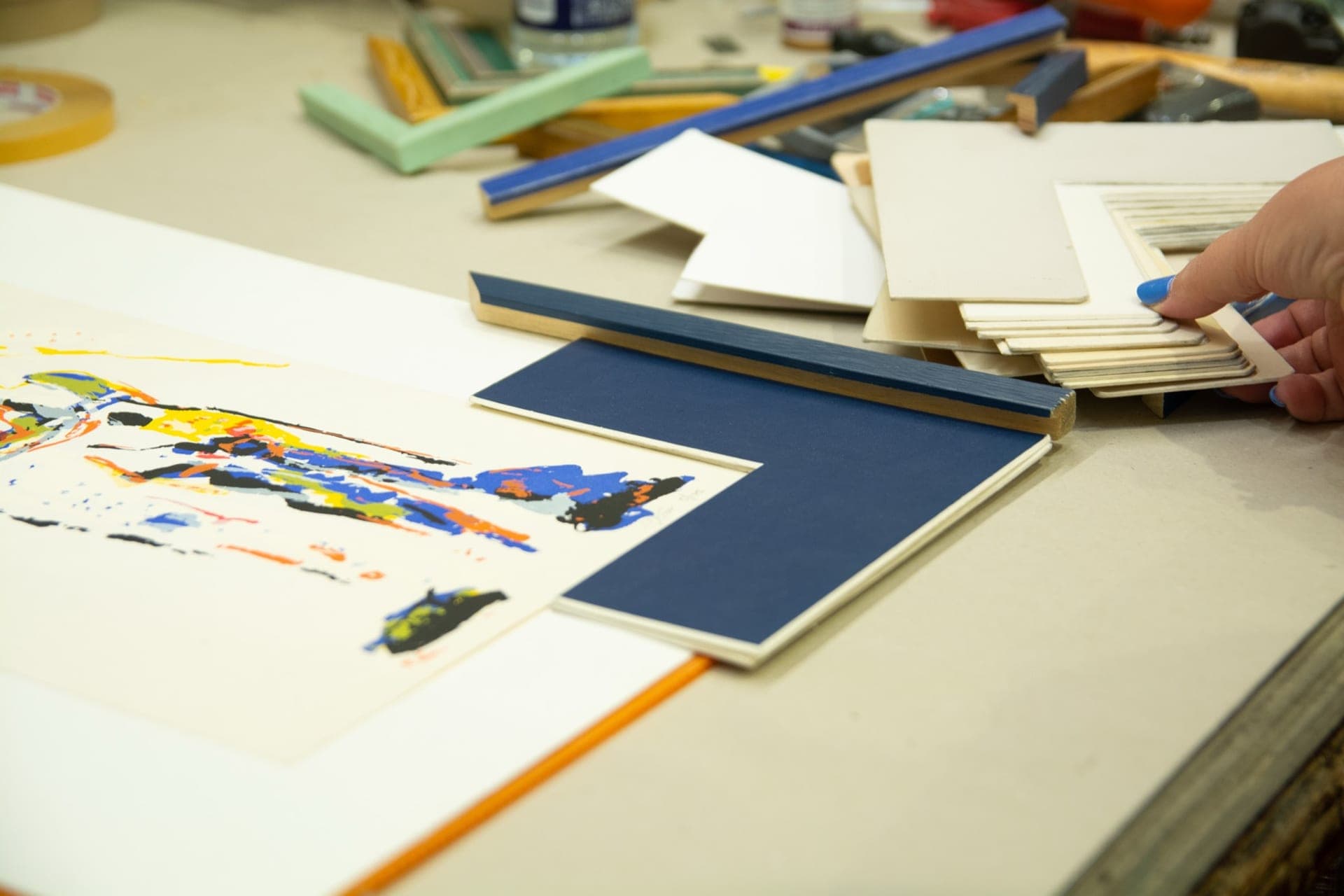
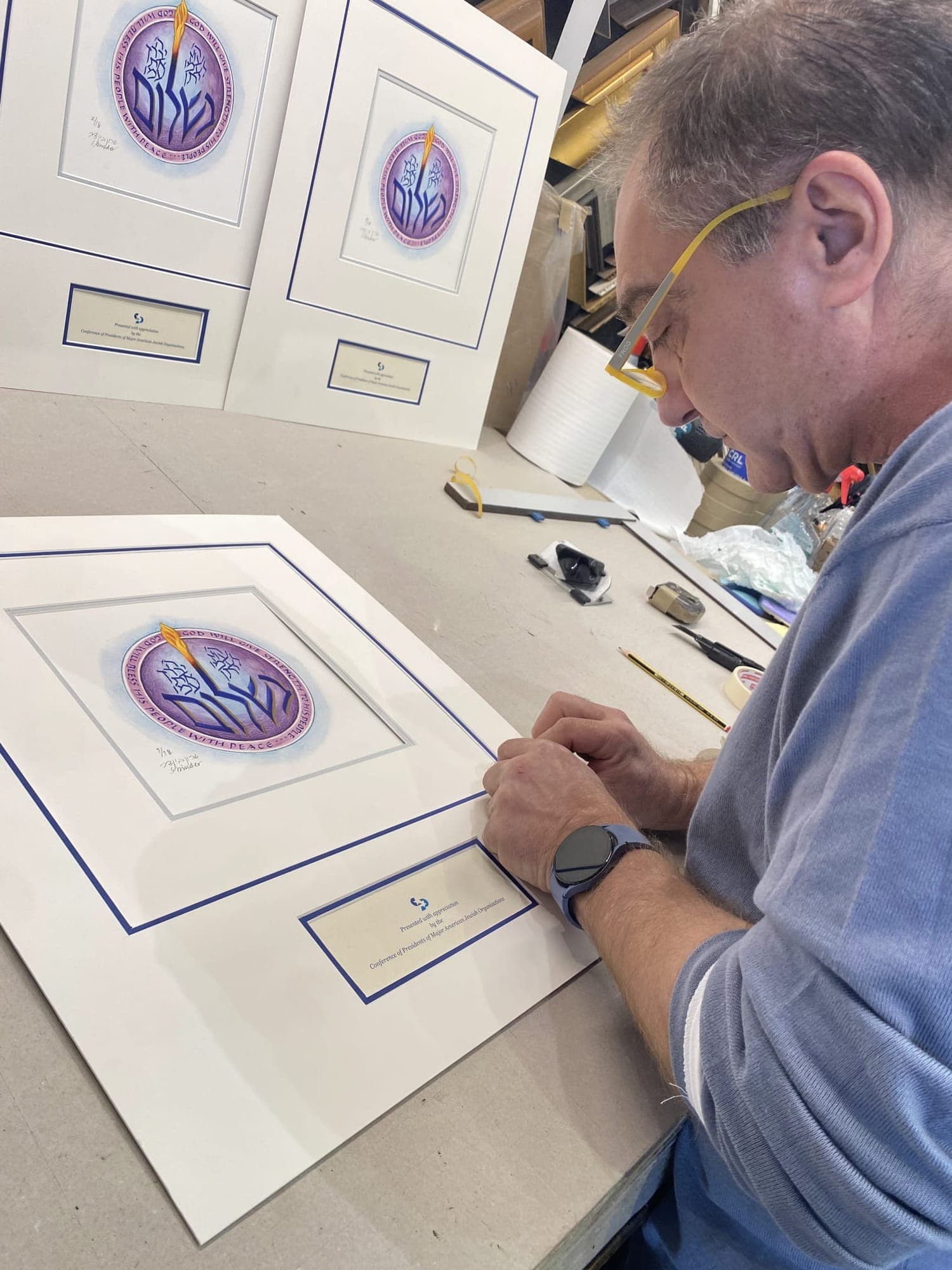
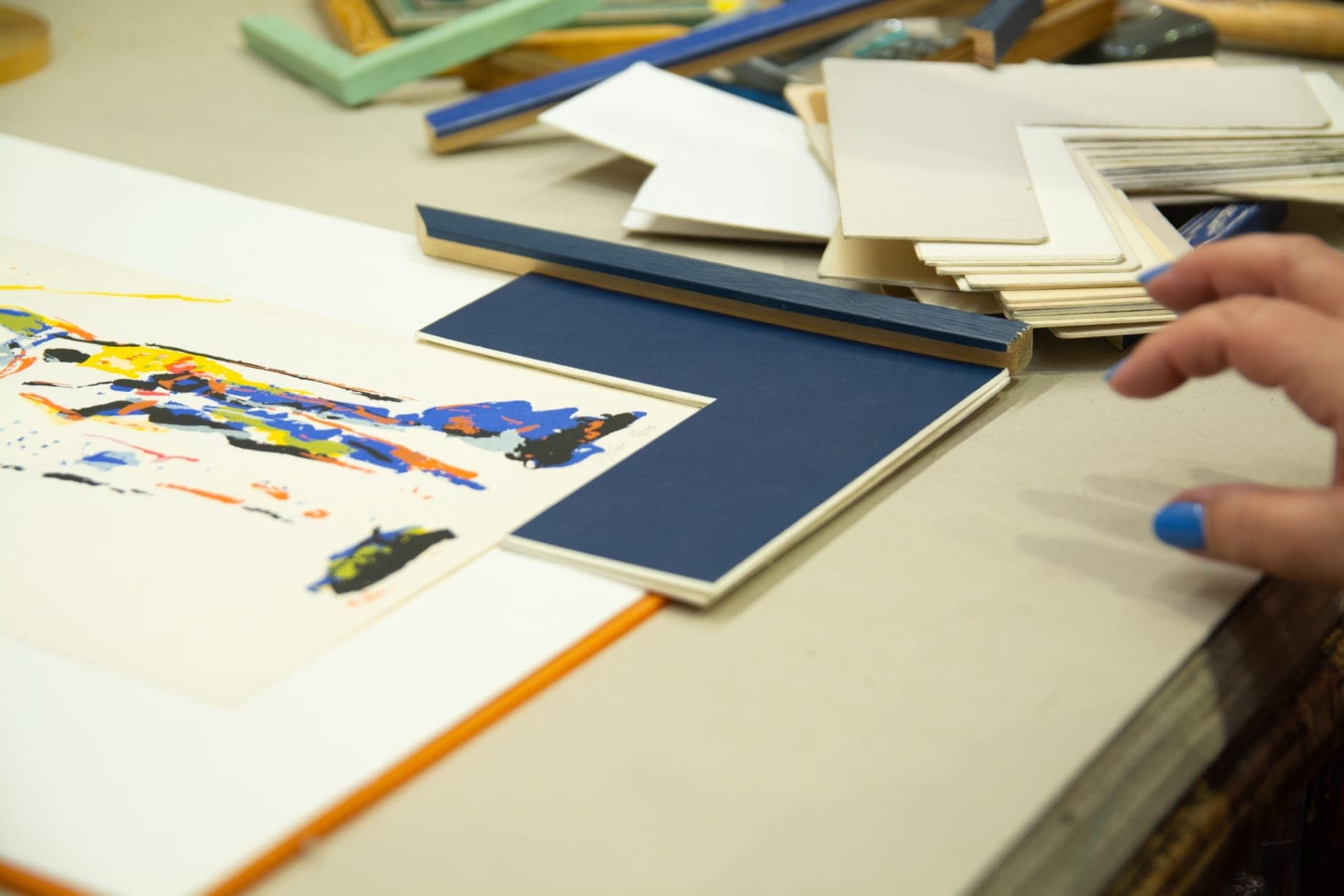
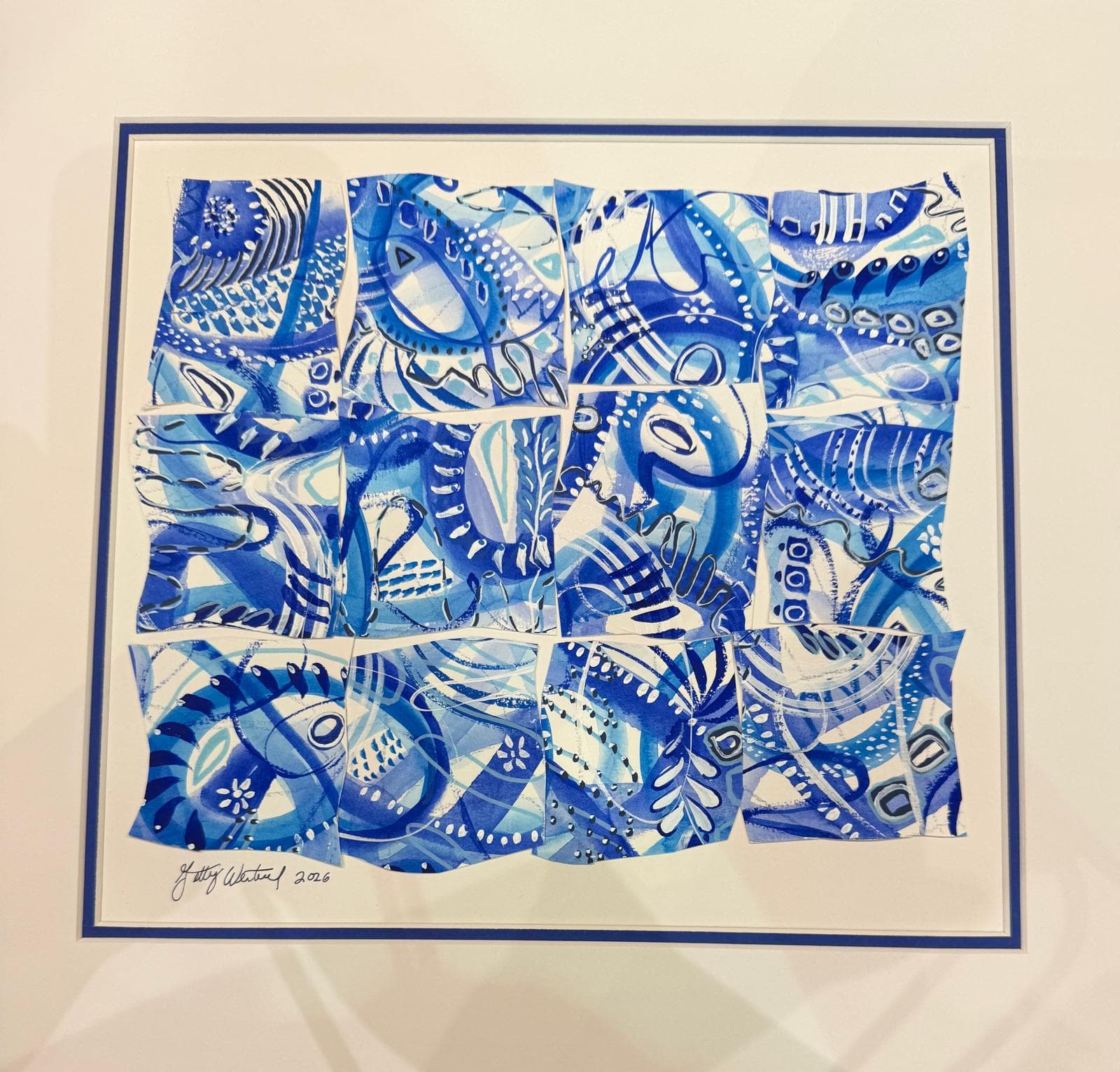
An acid-free mat is a very thick paper used in conservation framing, so it won't yellow or damage the paper it touches. A mat made of ordinary paper leaches acid into the artwork over the years and leaves a brown line that can't be removed. A mat also keeps the artwork off the glass. At Bemisgeret in Jerusalem we only use acid-free mats, with rectangular, round or oval windows.
What is float mounting?
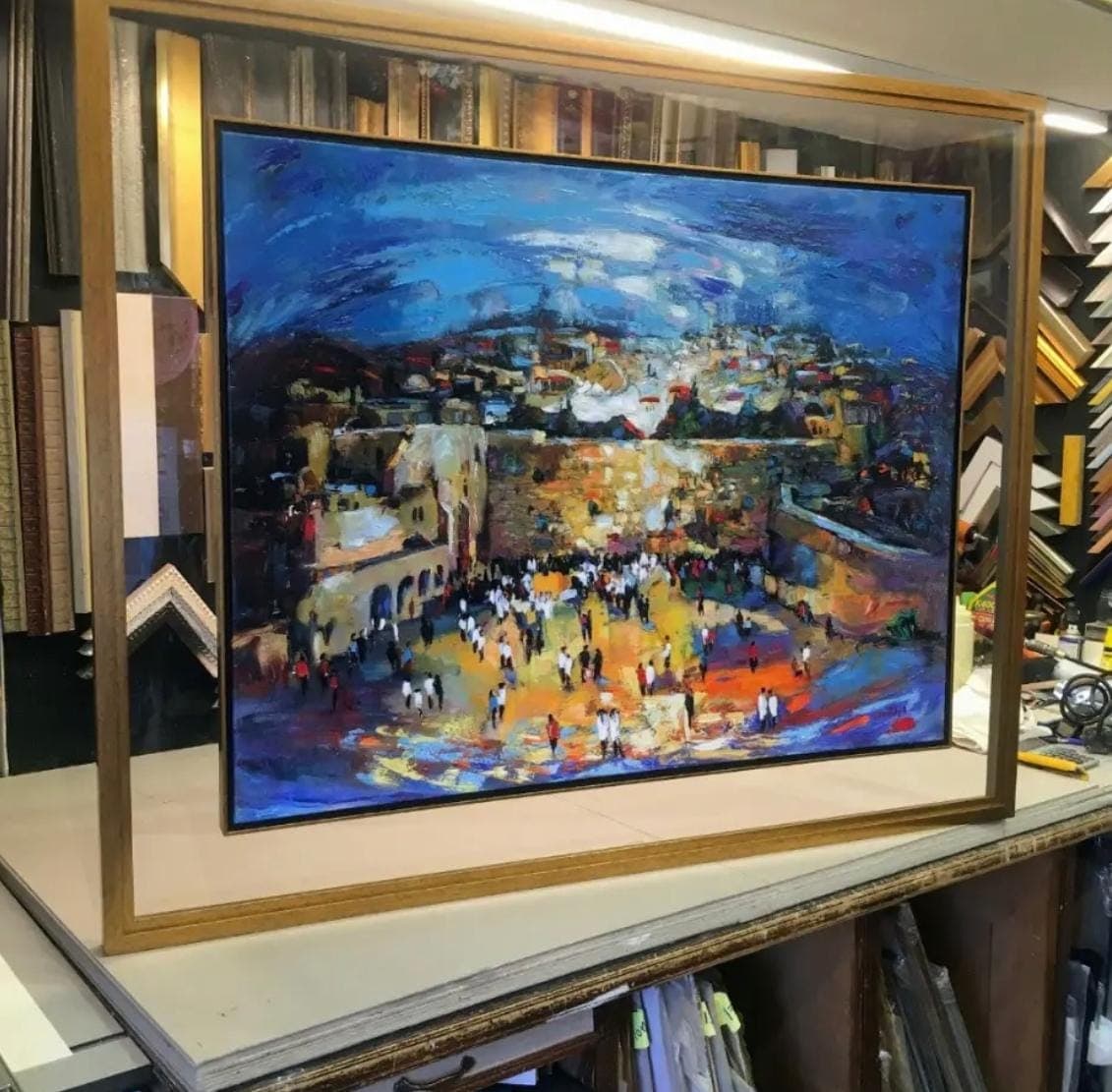
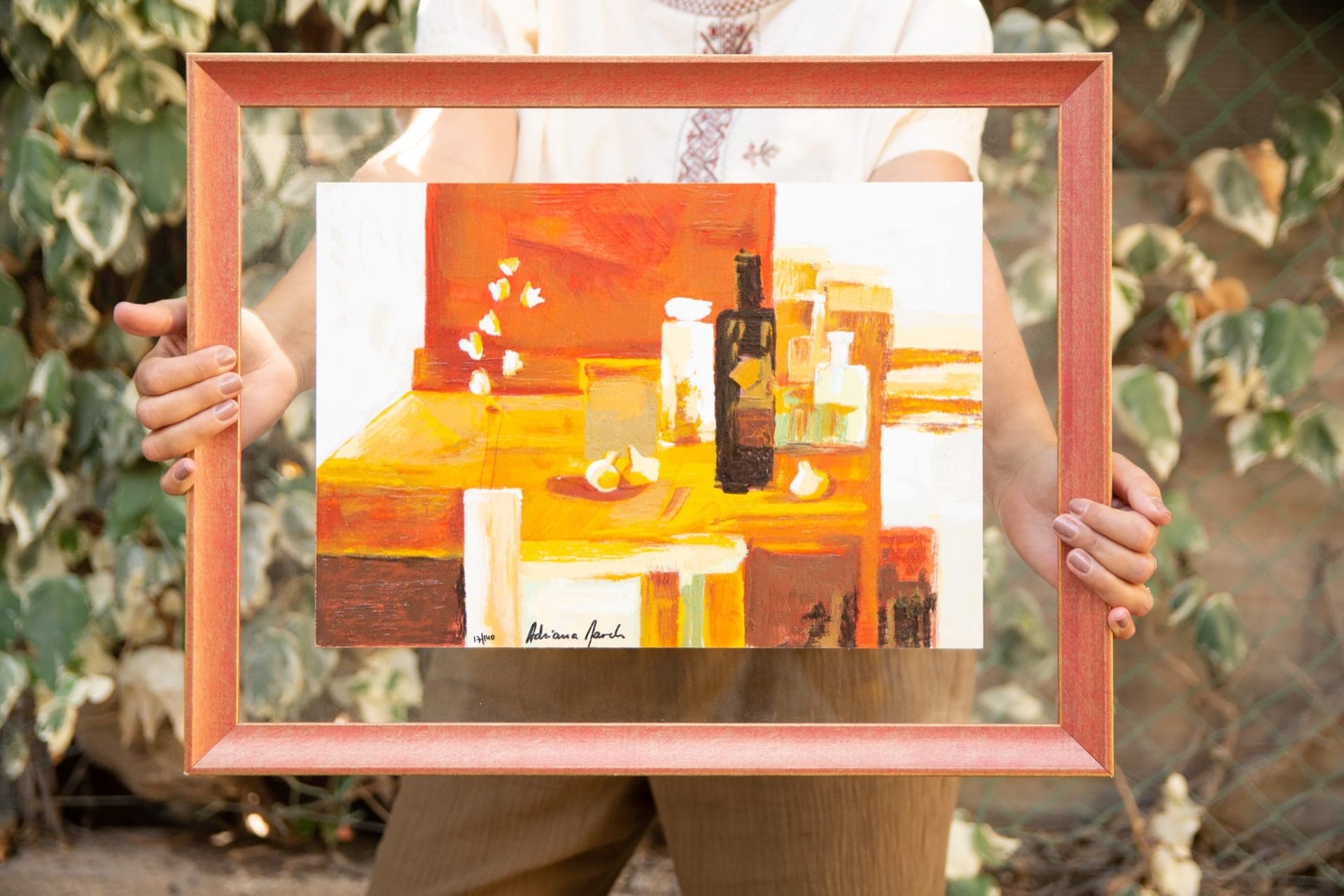
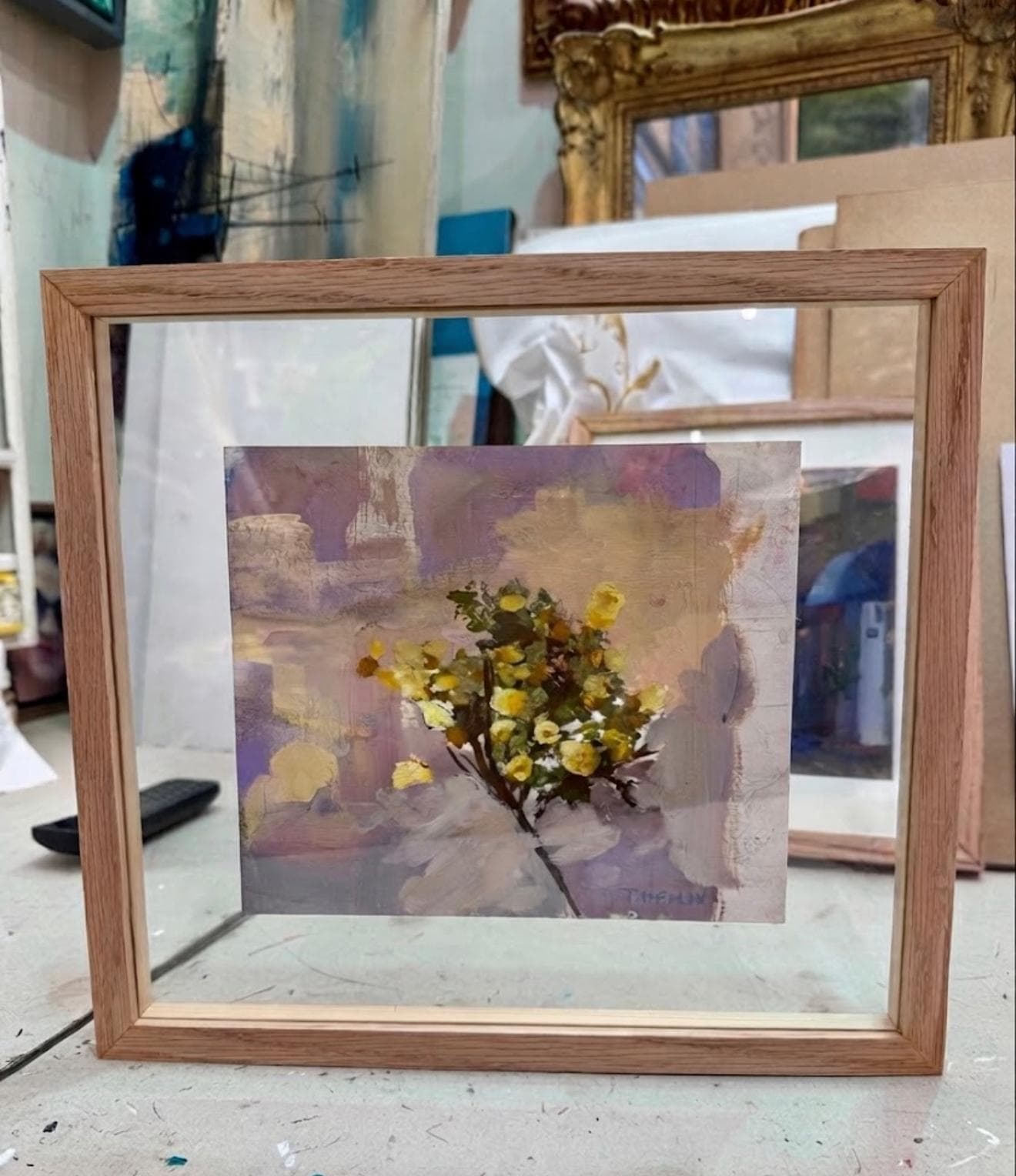
In a float mount the artwork looks as if it's hovering inside the frame, because there's a visible gap between it and the frame profile. With a canvas we leave a narrow space around the edges, and with work on paper we raise the sheet above the backing so you can see its edges too. We do several kinds of float mounting, with regular glass, museum glass or acrylic, depending on the piece.
Do you frame objects like shirts, medals or a ketubah?
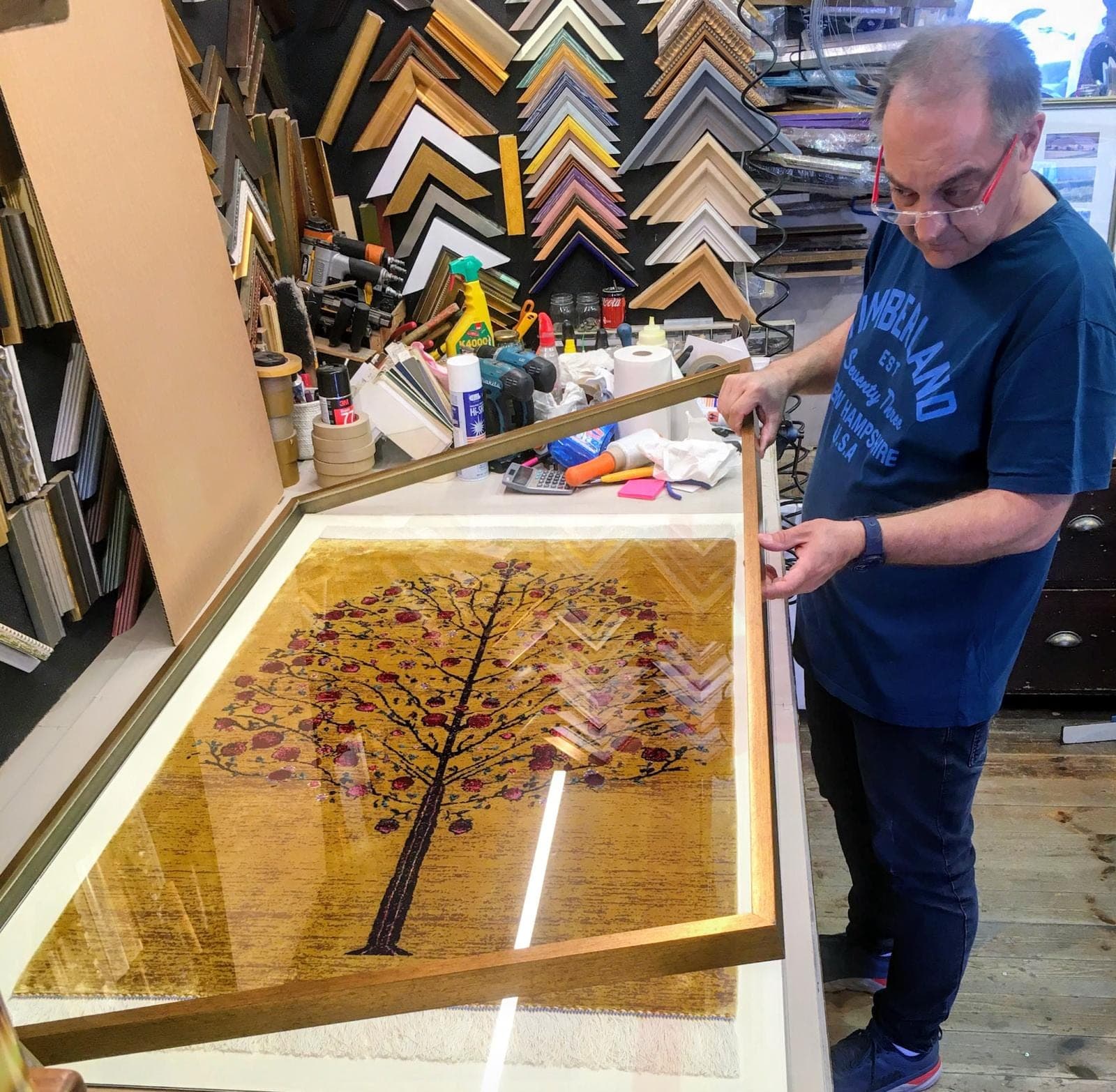
Yes. We frame just about everything: objects and textiles, usually in a deep shadow box where the glass doesn't touch the item. People bring us wedding ketubahs along with the broken glass from the chuppah, embroidery or puzzles, shirts or flags, medals and coins. A book or a rug, a plate or a tile can go into a frame too, and we've even framed a TV. You choose a wood or foam-board backing covered in fabric like silk or velvet. Bring the item to the studio in Baka and we'll work out together how to display it.
Do you frame for exhibitions and interior designers?
Yes. For exhibitions, we match the frames to what the artist and the curator require and meet the exhibition's schedule. We also work with interior designers, architects, businesses and organizations. For art shipped abroad, we build wooden crates and handle the shipping. To arrange a job, call Mouki at 050-8149090.
What should I bring when I come in to get something framed?
Bring the piece itself, because the frame profile and the mat are chosen while lying next to it. A photo of the wall and the room where it will hang helps too, and if the space is tight, its measurements. You can bring a canvas rolled up and we'll stretch it. If it's hard to bring the piece in, you can start with a phone consultation or send a photo on WhatsApp to 052-5413669.